Bogklub # 16 – Julia af Sandra Newman

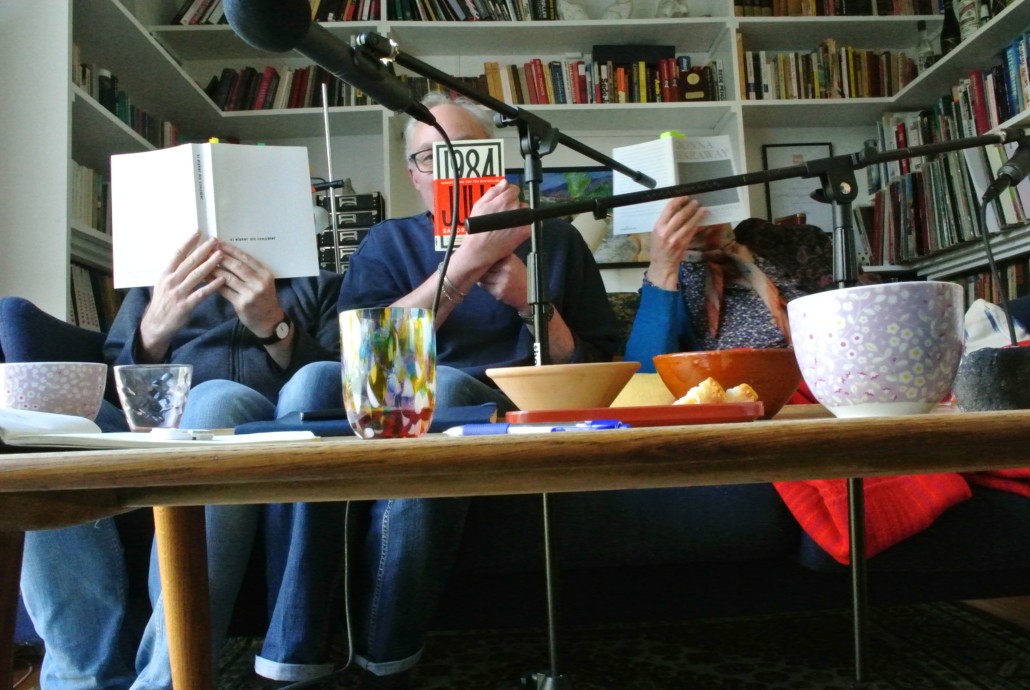
En forkølet Anders Kjærulff udlægger Sandra Newmans “Julia”.

Femoghalvfjerds år efter udgivelsen af George Orwells banebrydende roman 1984 har Sandra Newman med godkendelse fra Orwells arvinger kastet sig over historien fra 1984 for at give den en dramatisk anderledes, feministisk vinkel, der er tro mod og kan stå ved siden af originalen. En roman til de millioner af læsere, der har læst og gyst ved tanken om det ultimativt totalitære system, som Orwell beskrev.
Gratis bog: Retten til ikke at bruge internettet

På det engelske forlag Taylor and Francis er der udkommet en “Open Access”-bog om retten til ikke at være på internettet. Fra at være en mulighed er internettet nu blevet til en forpligtelse, og det har en lang række juridiske og demokratiske konsekvenser – og det handler bogen om. Læs den fulde beskrivelse nedenfor.

This pioneering collection addresses the prospective fundamental/human right not to use the Internet and the challenges that the non- use of the Internet poses for democracy. As the Internet has increasingly ceased to be a mere option and rather turned into a de facto obligation for anyone who exercises their rights or fulfils duties, these developments bring about profound ramifications for the very existence and the functioning of democracy, and therefore merit a critical reflection. With contributors from academia and legal practice from all over Europe, this edited volume offers timely critical analysis of the right not to use of the Internet, at times supplemented with policy advice and postulates for law reform.

This book is of key interest to scholars and students of – predominantly – law, political science and philosophy as well as to policymakers, judges and nongovernmental organisations at national, supranational and international levels.

Kloza, D., Kużelewska, E., Lievens, E., & Verdoodt, V. (Eds.). (2025). The Right Not to Use the Internet: Concept, Contexts, Consequences (1st ed.). Routledge. https://doi.org/10.4324/9781003528401

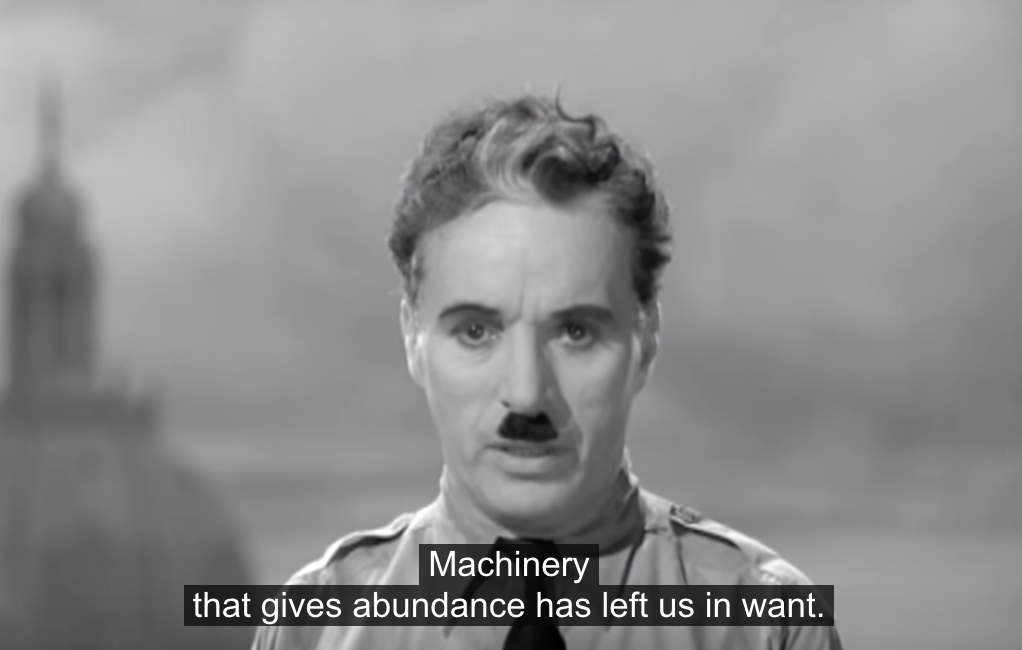
CHAPLIN: Vi har mere brug for menneskelighed end maskiner

Charlie Chaplins sidste ord i hans ikoniske film fra 1940, ‘Den store diktator’, klinger anderledes dybt, ja, desperat og nødvendigt, i dag. Klik på billedet for at høre ham tale.

Greed has poisoned men’s souls, has barricaded the world with hate, has goose-stepped us into misery and bloodshed. We have developed speed, but we have shut ourselves in. Machinery that gives abundance has left us in want. Our knowledge has made us cynical. Our cleverness, hard and unkind.

We think too much and feel too little.

More than machinery we need humanity.

More than cleverness we need kindness and gentleness.

Without these qualities, life will be violent and all will be lost…”

Third Ear – Det digitale Menneske

De to stiftende fuldmægtige, Kjærulff og Balslev, bidrager med deres enorme analoge viden til Third Ears serie om det digitale menneske. Hør Kjærulff i “Hvad er problemet“, “Et dataficeret liv” og “At vide alt om alle” og Balslev i “Detox” – alt kan tilgås her https://thirdear.dk/podcasts/det-digitale-menneske/

Third Ear


Er du kunstner?

Så efterlyser “Surveillance Resistance Lab”-zinet kunstværker der handler om den sorg der kan opstå når man forlader digitale medier:

An invitation to art about deleting social media pages, abandoning convenient apps, and choosing to navigate the friction that resurfaces from using cash, calling, and in-person everything. My Echo, My Shadow and Me will be available for free on our website in the summer of 2025.

Fristen er den 27. juni 2025 og man sender sit værk til contact@surveillanceresistancelab.org


Næsten halvdelen af alle unge i England ville hellere leve uden internet

70 procent af unge mellem 16 og 21 får det dårligt, når de har været på sociale medier. Halvdelen af dem støtter, at man får regler for, hvornår man er på nettet.
Og næsten halvdelen ville hellere leve i en tid uden internettet.
Det konkluderer en undersøgelse fra England.

‘The study, conducted by the British Standards Institution, surveyed 1,293 young people and found that 27% of respondents have shared their location online with strangers.

In the same survey, three-quarters said they had spent more time online as a result of the pandemic, while 68% said they felt the time they spent online was detrimental to their mental health.

Andy Burrows, the chief executive of the suicide prevention charity the Molly Rose Foundation, said it was “clear that young people are aware of the risks online and, what’s more, they want action from tech companies to protect them”.


Læs mere her hos The Guardian: https://www.theguardian.com/technology/2025/may/20/almost-half-of-young-people-would-prefer-a-world-without-internet-uk-study-finds?CMP=fb_gu#Echobox=1747740619