TELEFON-MASKINEN: Når problemet ligger i lommen
Ord betyder noget. Et af de ord, jeg gerne så få betydning igen er ordet APPARAT, der kommer fra tysk og igen fra det latinske ”apparatus” eller ‘udrustning’, af apparare ‘indrette eller anordne’. Apparat også et russisk ord, der dækker over det kommunistiske partis forskellige afdelinger, deraf ordet ’Apparatchik’, oprindeligt blot en betegnelse for en funktionær i Sovjetunionen, senere et skældsord, ofte anvendt i 70erne om alt for system-trofaste, emsige embedsmænd overalt i verden.
Men det er ikke den brug af ordet, jeg vil hen til, det er den danske definition, hvor et apparat ifølge ordnet er et: ”sammensat, ofte mindre, mekanisk, elektrisk eller elektronisk konstruktion der tjener som (måle)instrument, som hjælpemiddel ved udførelse af et stykke arbejde eller som redskab til formidling eller frembringelse af billeder eller lyd”.
Jeg er vokset op med apparater: Høre-apparater, Radio-apparater, TV-apparater og ikke mindst Telefon-apparater og når jeg dvæler ved ordet APPARAT, så er det selvfølgelig fordi ingen bruger det ord længere, og fordi det lyder rart når man siger det, det har en blødhed og noget organisk, ja, noget analogt over sig, selvfølgelig mest, fordi det står i modsætning til de ting, der omgiver os i dag, som stort set alle sammen er MASKINER. En ’Maskine’ defineres af samme Ordnet som en: ’mekanisk, elektrisk eller elektronisk, ofte større konstruktion sammensat af adskillige dele som hver har en bestemt funktion, og som tilsammen udfører en specialiseret arbejdsopgave’.
Jeg kan ikke undgå at bemærke maskin-definitionens fravær at udtrykket ’hjælpemiddel’ og det er derfor, jeg foretrækker APPARATER frem for MASKINER og det er derfor, jeg savner mit telefonapparat og kun har en række telefon-maskiner – i dag også kaldet for ’smartphones’ og det er dem, telefon-maskinerne, denne tekst egentlig skal handle om, så det kunne jo være, jeg skulle se at komme i gang?
Det starter sådan her: Jeg har for mange telefoner og det har jeg, fordi de i virkeligheden er maskiner, ikke telefon-apparater, for sådan et havde jeg engang, og det stod fast på et bord et sted i huset eller lejligheden og det var forbundet til telefonnettet, der bestod af en masse kobberledninger, der var forsvarligt gravet ned over hele landet og som via en telefoncentral kunne forbinde et telefonapparat med et andet så to mennesker kunne tale sammen. Det var smart bygget op og ret analogt og virkede sågar hvis der ikke var noget strøm.
Den slags telefonapparater var de eneste telefoner der fandtes ind til 1983, hvor den første MOBILE-telefon blev lavet. En mobiltelefon sender signaler gennem luften og er digital. Kobbernettet, der forbandt telefonapparaterne, er i disse dage ved at blive gravet op af grådige teleselskaber, der under dække af et højt postuleret fremskridt ikke ønsker at vedligeholde noget fysisk infrastruktur som ellers er betalt direkte af alle danskerne til det daværende TeleDanmark og brugt gennem 140 år og fuldt analogt. Men det koster altså lidt at holde kørende, hvilket det mobile net i den grad også gør, men det taler vi ikke så meget om, for det net, det er jo omkring os hele tiden og det vælter rundt inde i telefon-maskinerne.
Men. Jeg har alt for mange telefoner. Når jeg ser mig omkring i mit arbejdsværelse, ligger der en hel bunke af dem på en hylde og de virker alle sammen og hvis bare jeg kunne vælge en af dem, kunne jeg sælge de andre eller forære dem væk til nogen, men det kan jeg ikke rigtigt, og det skal jeg nok fortælle dig hvorfor om lidt.
Men. Jeg har for mange telefoner og det har jeg fordi de er maskiner – ikke apparater. En telefon i dag er nemlig ikke bare et telefon-apparat. Det er en maskine eller måske mere præsist, en masse maskiner inde i hinanden, maskiner som stat, banker og alt for mange andre mener jeg skal bruge for at komme i kontakt med dem, legitimere mig og kunne tjekke min økpnomi.
Der fandtes ’smarte’ telefoner før ’smartphonen’ – her husker jeg stadig med en vis varme en Nokia E61 der havde et tastatur, meget lang batteritid og hvor man kunne læse og, med noget besvær, svare på mails og besøge et utroligt langsomt internet, der dengang var noget mere simpelt bygget op. Det den telefon-maskine ikke havde var en APP-STORE. APPs, eller ‘Mobile Applications’, kom samtidig med Apples iPhones og gav firmaer mulighed for at lægge programmer ud, som kunderne så kunne downloade og installere direkte på telefonen. ‘App Store’ åbnede i 2008 med små 500 programmer man kunne hente, i 2017 var man oppe på 2,2 millioner apps! Senere kom Google med på vognen med deres Google Store og de to giganter, Apple og Google, har over tid totalt monopoliseret hvad der skal og kan ligge af programmer på vores smart-phone-telefon-maskiner.
Og det, der er sket, er at telefon-apparatet samtidig har forvandlet sig til en identifikations-overvågnings-maskine, der tilfældigvis også kan bruges til at ringe nogen op fra. Det sidste er tydeligvis mindre og mindre vigtigt, når maskinen skal konstrueres.
For i dag er telefon-maskinen en identitets-schweitzerkniv, en pung, et pas og en bankbog, og står det til de kapitalstærke digitale kræfter, der gemmer sig inden i den, så kan vi ikke længere købe noget(mobilePay og diverse andre betalingstjenester), identificere os i forhold til bank eller stat eller kommuner eller skat(mitID), identificere os/bevise vi er over 15 år(altID) eller checke vores bankkonti(bank-app) med mindre vi har den der telefon-maskine fuldt opdateret, opladet og på et internet, der bliver stadigt vanskeligere at finde rundt i.
Som analogist udgør dette en massiv udfordring.
Måske endda sågar den eneste, den centrale udfordring.
For hvis man ikke ønsker at være koblet op på nettet hele tiden eller konstant at stå til rådighed for en endeløs, tinnitus-hylende strøm af nyheder, mails og opdateringer af den ene eller den anden slags, så skal man have en telefon, der ikke har nogen apps, men bare kan ringes til – et telefon-apparat.
Og det er derfor jeg har så mange telefoner. Fordi jeg leder efter det, apparatet.
Fordi problemet, det digitalt-analoge-kompleks, ligger lige der, i min lomme.
Og nu har jeg alt for mange telefoner.
Så nu vil jeg fortælle om hver enkelt af dem. Måske kan du lære noget af det. Om ikke andet så at løsningen på det digitalt-analoge-kompleks er systemisk. Og kun kan løses ved, at der er analoge alternativer tilstede i vores stadigvæk og til evig tid analoge verden, og at vi husker at bruge dem, så de digitalt overbeviste fantaster ikke også graver dem op af jorden og brænder det hele ned bag sig.
Men fremad, nu. Telefonerne.
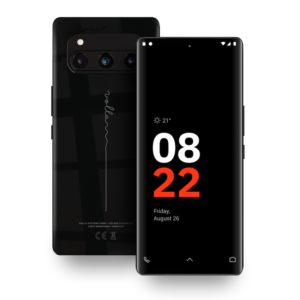
Telefon nr. 1: Volla: Min primære arbejds-telefon-maskine kommer fra Tyskland. Det er en Volla Quintus, den har et virkelig godt kamera, en meget stor skærm og kan fungere på 5g netværket, der angiveligt skulle give enormt høje hastigheder, men som også æder strøm, meget mere strøm end telefoner på 4g eller 2g(gsm) – netværket.
Quintus koster p.t. 719 euro, godt 5000 kr, og for det får du 256 gb hukommelse og en hurtig processor. Jeg har brugt maskinen i over et år nu, og den klarer stort set alt jeg smider i hovedet på den, bortset fra et par centrale undtagelser, og det, undtagelserne, hænger sammen med grunden til at jeg overhovedet har købt den: Volla OS.
Volla OS er et ANDROID-styresystem – uden Google. Android er oprindeligt totalt open source software, men Google betragter det i dag som deres ejendom og de kræver at man opretter en profil hos dem for at kunne downloade apps og overhovedet få telefon-maskinen til at fungere.
For hvis man er logget ind, så kan Google følge med i alt man gør og det gør de.
Google er som bekendt ikke en søgemaskine, det er verdens absolut største reklamebureau og de lever fedt af at overvåge os alle sammen og sælge de data til firmaer, politi og efterretningstjenester.
Men når tyske Volla så har revet Googles motor ud af systemet, så er der et problem: Hvor skal man få apps fra? Det har de løst på en finurlig måde: De bruger et lille program, der hedder MicroG. MicroG simulerer at være en Google telefon og logget ind, uden at man er det(groft sagt). På en Volla telefon kan man hente sine apps via opensource-storen F-Droid eller Auroua Store – begge steder kan besøges anonymt, og de fleste kendte apps er der. Langt hovedparten fungerer ok, men enkelte af dem kræver simpelthen, at Google har været inde over.
Særligt den danske stat er slemt forelsket i Apple og Google så det gælder bla. mitID og mobilepay, apps jeg har fravalgt uanset – når jeg skal logge ind via mitID sker det med en kodeviser fra Digitaliseringsstyrelsen, en fin lille sag, der kan hænge sammen med dine analoge nøgler og som de gør forbavsende lidt reklame for i vores søsterstyrelse, Digitaliseringsstyrelsen.
MobilePay har jeg fravalgt for længe siden. Jeg betaler med kreditkort, bankoverførsel eller endnu bedre: Med kontanter. De virker, de skal ikke lades op, og de registrerer ikke hvad jeg køber og af hvem.
Rejsekort-appen virker heller ikke i Volla men det betyder ikke noget for mig, der har et ‘basiskort anonymt’ og bor på Sjælland, hvor der er en del standere til at tjekke ind og ud på allerede. Jeg har hørt, det står værre til i Jylland og på Fyn og håber at borgerne der klager til de får standere nok!
Volla Quintus er en fin telefon-maskine, hvis man holder af privatliv, men samtidig gerne vil have en stor skærm og muligheder for at bruge den som en lille computer. På det seneste har jeg taget sim-kortet fra mit mobilselskab ud og brugt den som netop det – en computer.
Men hvad bruger jeg så når jeg skal ringe?
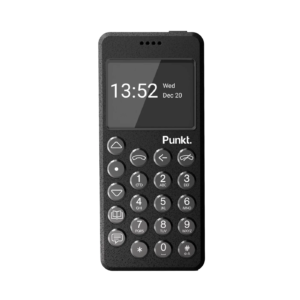
Telefon 2: Punkt MP02: Punkt MP02 er en såkaldt minimal telefon. Den er simpelt designet, med knapper og har ikke nogen berøringsfølsom skærm. Alt skal tastes ind og den bruger det gode gamle t9-system til at prøve at gætte, hvad du gerne vil skrive i de sms-er, som er eneste måde at kommunikere på ud over at ringe direkte. Der er ikke noget kamera.
Der er en kalender – men den kan ikke syncroniseres med noget. Der er en notesblok, men det tager timer at skrive en sætning ind i den.
Vækkeuret er fint og virker og lommeregneren kan bruges, til nød. Skærmen er sort hvid og alt på den er bevist underspillet. Det er en telefon der sætter en ære i at være netop det og derfor det tætteste i denne gennemgang, der bliver et telefon-apparat i stedet for en maskine.
Firmaet bag påstår, at de har fået den krypterede beskedtjeneste SIGNAL til at virke på den, det sker under navnet PIGEON, jeg har prøvet at installere det, men hvis man som jeg også gerne vil have SIGNAL på min computer får man et problem, da der ikke er noget kamera i Punkt MP02 og man derfor ikke kan godkende en ekstra enhed. Så glem SIGNAL på Punkt. Jeg ved, der er nogen der har fået det til at virke, blandt andet ved at hacke telefonen og ’side-loade’ det ind den vej, men når man først begynder på den slags, så er man jo allerede i gang med at gøre en dum telefon lige lovlig smart, og det var vel egentlig ikke meningen.
Den koster 2450 kr – hvis man kan få den – den er p.t. i restordre fra firmaet, der laver den.
Den fylder ingenting i lommen, vejer kun 100 gram, er pæn at se på og kan bruges som wifi-hot-spot til din computer – det sidste dræner den for batteri ret hurtigt, men er ok i en snæver vending.
Punkt MP02 er den telefon, jeg bruger på Den Analoge Mærkedag – alternativet er en Nokia Tough dum-phone, som jeg ikke vil skrive ret meget om her, fordi den har fået en afløser – den her:
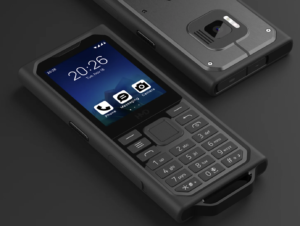
Telefon 3: HMD TERRA M: Terra betegnes fra HMD (Som tidligere var NOKIA) som et ’kompakt og ultrarobust håndsæt bygget til øjeblikkelig og pålidelig kommunikation’ og det må siges at være en yderst dækkende betegnelse. Telefonen er efterfølgeren til NOKIA TOUGH 800, en ’håndværkertelefon’, som jeg blandt andet har testet ved at tage billeder med den – under vand – og kunne konstatere, at jo, det kunne den godt. TERRA er også vandtæ og virker som om den er virkelig godt bygget, den er tung og robust og overholder militære standarder, MIL-STD-810H-standarden, og jo, netop militær og politi bliver nok den primære målgruppe for den.
NOKIA TOUGH var udstyret med verdens mest elendige styresystem, KAI-OS, fyldt med såkaldt bloatware(software du ikke har bedt om, ikke skal bruge og som du ikke kan afinstallere) og endte hos mig som en en ren ringe-op og tage-imod-opkald og bruge som Wifi-Hot-Spot-maskine når jeg var på ferie, og det var den rimelig god til, om end rasende sløv i optrækket.
Her er TERRA noget vaksere. Styresystemet er en særlig udgave af android, kaldet Pulse OS, og hele tanken er, at telefon-maskinen skal være en del af en større flok i en flåde i et firma, et politikorps eller hos militæret, og at apps og tilladelser skal tildeles og kontrolleres centralt. Derfor er det ikke en telefon, man kan gøre ret meget ved. Den er hvad den er, hvilket NÆSTEN gør maskine til et apparat, men også kun næsten.
Den har både knapper OG en tindrende klar berøringsskærm, hvilket gør det noget nemmere at skrive smsere, den har et temmelig godt kamera der er lysår foran NOKIA TOUGHs 640×480 opløsning – TERRA har 8mb og en virkelig god blitz – fokus er på at lave KLARE billeder, til industri eller overvågnings/opklaringsformål.
Af andre gode ting skal i den grad nævnes, at den kan skrues fra hinanden så man kan skifte batteriet – det gælder ikke tidligere nævnte Volla og slet ikke Punkt.
HMD har også tænkt sig om med den software, der er indbygget: Der er(desværre) en browser, det er FENNEC, en ret sikker Firefox-klon, der desværre virker klodset og langsom og som jeg derfor har afinstalleret – også fordi det føles åndsvagt at sidde og surfe nyheder på en fire gange fire cm skærm og fordi det jo netop, for en analogist, handler om at undgå browseren, især på telefoner…
Der er også navigation og her har man endelig droppet google maps og taget OSM, Open Source Maps ind som fast installation – det virker ok uden at være prangende. Telefonen kommer med en preinstalleret udgave af det ultrasikre kommunikationsprogram THREEMA, men det er desvære kun i ’enterprise’ versionen – så du skal være en del af et firma/en hær før du kan bruge det.
Problemet er, at man ikke selv kan installere noget som helst på TERRA – trods udviklerstatus, nægter den simpelthen at tage imod andre apps end de, der ligger på telefonen. Og måske ville det være ok sådan, hvis ellers jeg følte jeg havde fuld kontrol over den, men det gør jeg ikke.
Indtil videre har jeg valgt at slette alt, jeg ikke har brug for – eller rettere ’deaktivere’ det, for TERRA tillader ikke at man sletter standard-apps, hvilket egentlig er smart, hvis nu telefonen skal slettes og genbruges hos en anden i firmaet, men træls, hvis man er sådan én som mig, der både vil det ene og det andet. Og det bringer mig til den næstsidste og mest frustrerende af mine telefoner.
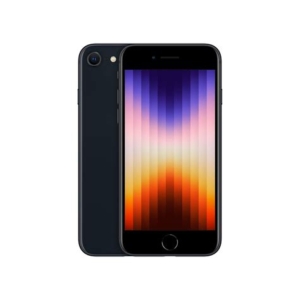
TELEFON 4: IPHONE SE 2022: Jeg havde egentlig bestemt mig til, aldrig at ville eje en iPhone igen. Den her blev efterladt af et familiemedlem med totalt smadret skærm, men fuldt fungerende og en dag fik jeg ondt af den og fik den skærm fikset og smed samtidig et nyt batteri i.
Og så satte jeg et sim-kort i den, loggede ind på min gamle iCloud, og fik et større angstanfald, da jeg så, at Apple intet har glemt siden vores sidste bekendtskab for seks år siden, gamle billeder, mails og noter væltede forbi mig i en lang, sugende malstrøm, alt pakket ind i magisk, glitrende teknologi, der tydeligvis er baseret på, at jeg skal kigge så meget som muligt på den telefon og proppe alt jeg kommer forbi ind i den.
Når jeg startede den op igen, var det fordi jeg havde læst en guide om, hvordan man kan gøre sin smartphone dum og ville teste det på den. Den hedder DIY Dumphone og er ret god, og handler om at fjerne eller deaktivere alt, du ikke skal bruge til noget. Men det er det modsatte af, hvad en iPhone VIL, og dens intentioner er alt for stærke for sådan en som mig.
Nu ligger den i skuffen. Og skal ikke op igen foreløbig.
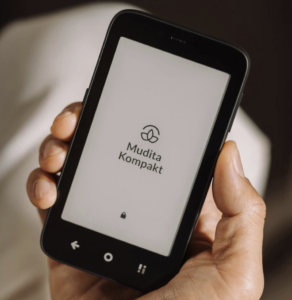
TELEFON 5: MUDITA COMPACT: Mudita Compact er det omvendt af en iPhone. Den er skabt til ikke at distrahere dig, den gør så lidt som overhovedet muligt og så har den såkaldt PaperWhite-skærm, hvilket betyder den ikke har farver.
Den koster 400 euro, er produceret i Polen og lyder og virker ok som telefon. Overførsel af kontakter og billeder fra det i øvrigt middelmådige kamera, kan ske via MUDITA center, et program du kan køre fra din computer.
Man KAN installere apps, men de fleste af dem virker ikke, da telefonen simpelthen ikke har kræfter nok til at håndtere dem. Der er et fint fælleskab om den, hvor forskellige fritidsprogrammører leger med app-ideer til den, men det er meget imod dens natur.
Det er lykkes mig at installere den fine lille app TRANSISTOR, som betyder jeg kan lytte til streaming radio – feks. Fra det fremragende Svensk P2, og en podcast-app, PocketCast, der som den eneste har vist sig at fungere stabilt uden at gå ned. Den har et dejligt analogt hovedtelefonstik og bluetooth og fordi skærmen er paperwhite holder den i dagevis på en opladning.
Derudover er paperwhite skærmen virkelig god at læse på, og rar ved øjnene – jeg savner en lidt bedre e-bogslæser end den indbyggede(man kan ikke lave bog-mærker!) men har endelig fået læst Charles Dickens: ’American Notes’ fra 1842 færdig – hentet fra Gutenberg.org.
Designet er….firkantet og praktisk – den kan skilles ad og batteriet skiftes og der er ingen grund til at opgradere og købe nye modeller pga. ny teknologi, den kan hvad den kan og ikke ret meget mere.
Og selvom heller ikke det gør Muditaen til et telefon-apparat, så er det tæt på.
Hvis du er nået så langt i denne artikel, så er det vel på sin plads med en slags konklusion, eller bare en konkret anbefaling til, hvilken af mine mange telefoner der er bedst og hvad du så skal vælge? Men den får du ikke.
For jeg ved det ikke.
Det jeg ved, er at sammensmeltningen af mange maskiner i en maskine gør den farlig og til et problem. Og at jeg savner nogen, der piller maskinerne fra hinanden igen, så jeg bedre kan forstå og overskue, hvad der er hvad og hvad det gør ved mig og de mennesker, jeg gerne vil tale med.
Og om lidt kommer der nogen andre telefon-maskiner, der kan meget mere eller meget mindre og så vil vi tale om dem og tro, det vil løse vores problem: At vi sidder og glor alt for meget på en lille lysende firkant i stedet for at se på hinanden eller noget andet konkret, som for eksempel en side i en bog, en fugl i haven eller en regnvåd pude på en altan.
Måske er det bare det vi skal?
Prøve at overhøre sirenesangene fra teknologipræsternes magiske maskineri og vente, fyldt med brændende tålmodighed, på at APPARATET vender tilbage, simpelt, funktionsdygtigt og uden skjulte hensigter.